
Chronic Pain Recovery Support
Ray of Hope Blog Sampler
Why is reducing toxins important?
Currently, our bodies may be exposed to more than 300,000 toxins daily, with some environmental experts estimating that our bodies are bombarded by up to 700,000 different toxins on a daily basis. When toxins accumulate within the body, they create inflammation, in addition to causing potential epigenetic changes which alter the manner in which genes are expressed. Chronic inflammation can create deteriorating health, and trigger the onset of painful autoimmune diseases, cardiovascular disease, and cancer. When chronic pain already exists from an injury, such as a back injury, accumulated toxins can amplify pain. Potential sources of toxins include food, water, air, clothing, makeup, hygiene products, household cleaning products, household molds, and household items that release volatile organic compounds (VOCs) into the air, such as carpeting, sofas, and mattresses.
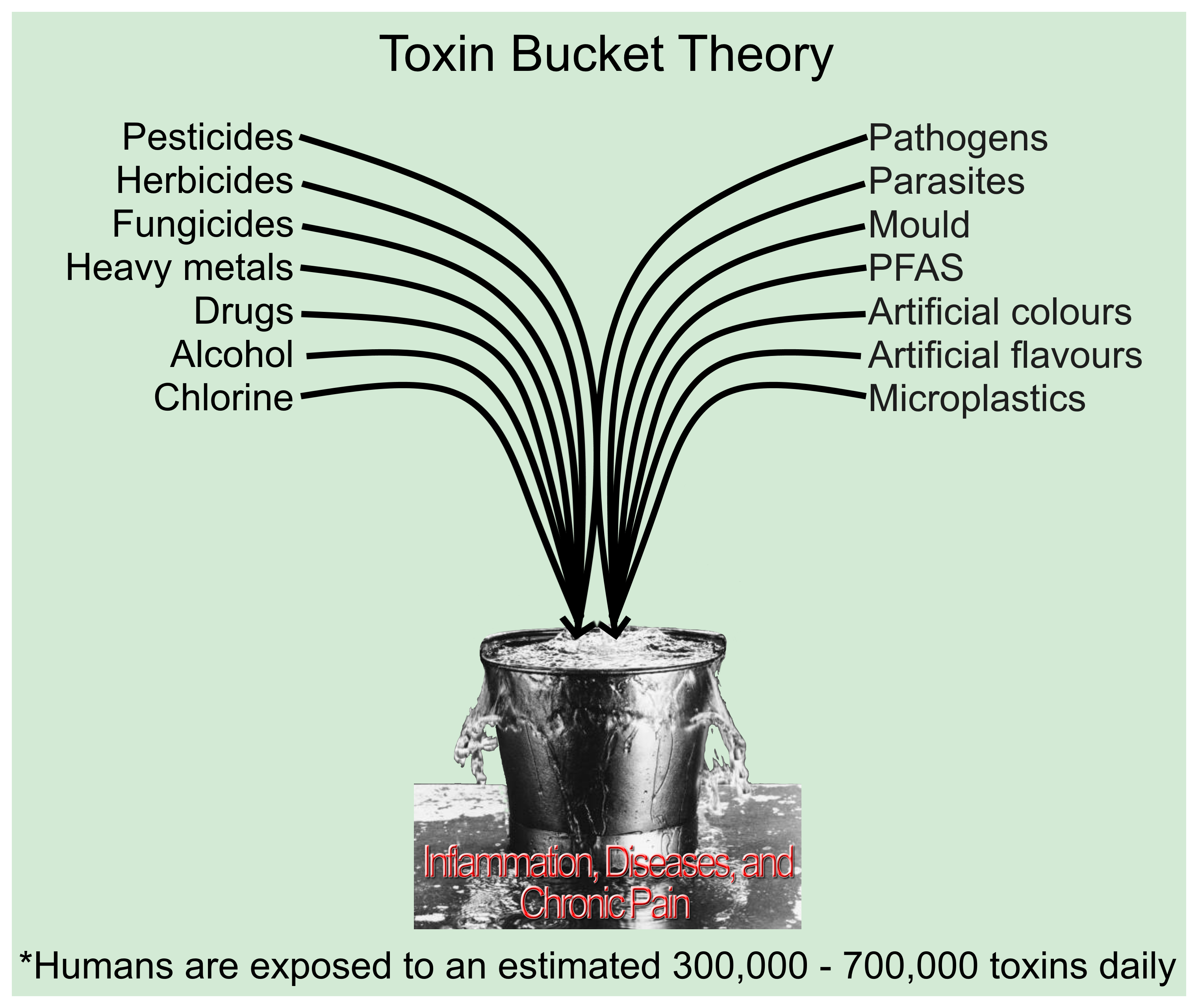
Toxins can be acquired through non-stick frying pans, plastic cutting boards, and even some nutritional supplements. Heavy metals, pesticides, herbicides such as glyphosate and paraquat, fungicides, molds, microplastic particles, aflatoxins, bacterial toxins, PCBs, dioxins, phthalates, and PFAS, which include more than a thousand forever chemicals are also toxins. It’s not possible to list every toxin within this article because the number of toxins is so extensive.
Schedule your FREE 15-minute consultation.
Chronic Pain and Sleep: Understanding the Consequences of Sleep Disruption on Health
For many people who live with chronic pain, obtaining restorative sleep can feel like an unattainable goal. Persistent pain can interfere with the ability to fall asleep, remain asleep, and achieve the deep sleep that is essential for both physical and neurological recovery. Unfortunately, the relationship between chronic pain and sleep is not one-sided. Research has demonstrated consistently...
Lupus and Chronic Pain
Lupus, formally known as Systemic Lupus Erythematosus (SLE), is a chronic autoimmune disease in which the immune system attacks the body’s own tissues. This immune system activation can affect the joints, muscles, nerves, skin, kidneys, and other organs. Chronic pain is one of the most common and disabling symptoms, and is often accompanied by fatigue, neurological dysfunction, and systemic...
Understanding Allodynia: When Touch Becomes Painful
Allodynia is a condition in which something that shouldn’t hurt, such as a light touch, clothing touching against the skin, or even a gentle breeze causes pain. Allodynia is not a disease itself, but a symptom of nervous system dysfunction. It occurs when the body’s pain-processing system has become too sensitive. Normally, nerves send signals to the brain to distinguish between harmless...

Understanding Fibromyalgia: Central Sensitization, Bradykinin, and Substance P
Fibromyalgia is a chronic pain condition that affects millions of people worldwide, and is characterized by widespread pain, fatigue, sleep disturbances, and cognitive difficulties. It involves the nervous system, immune signaling, and biochemical imbalances. Fibromyalgia and the critical roles played by bradykinin, Substance P, and central sensitization in the creation of chronic pain will be...

The Benefits of Eating an Anti-Inflammatory Diet
Living with chronic pain often means navigating through symptoms that extend far beyond pain. Fatigue, brain fog, sleep disruptions, mood changes, and digestive challenges frequently accompany chronic pain conditions. Eating an anti-inflammatory diet can be one of several practical and supportive strategies in your comprehensive plan to reduce chronic pain. Growing evidence has demonstrated that...

Microplastics, Inflammation, and Chronic Pain
Microplastics are tiny plastic particles which are less than 5 millimeters in size. These are no longer just an environmental issue. Scientific evidence has now demonstrated that microplastics are ubiquitous within the human body, which means that they have accumulated throughout the body due to widespread environmental contamination, and constant human exposure. Microplastics are detectable in...

Hope in the New Year
For people who live with chronic pain, the new year can evoke complicated emotions. Repeated symptom flares, medical uncertainty, and the cumulative toll of persistent symptoms can begin to erode hope, yet hope remains a critical and often underestimated component of living well. While hope does not negate pain, cure disease, or erase limitations, it plays a meaningful role in resilience,...

Chronic Pain and the Holiday Season
A chronic pain diagnosis can change how individuals experience the holidays. The festive season can create an inherent increase in socialization, an increase in sensory load, and a disruption in your positive nutrition and lifestyle routines. For many people, this convergence amplifies their existing symptoms, increases fatigue, and strains their limited physical and emotional...

Masking Chronic Pain
Living with chronic pain can feel exhausting, not only physically, but emotionally and socially. Many people who experience chronic pain learn to mask it in order to hide their symptoms from being observed by others during daily life. While masking might feel necessary or protective, there are some significant drawbacks. This article will explore what chronic pain masking is, why people do it,...

How Spirulina Reduces Inflammation and Chronic Pain
What Is Spirulina? Spirulina is a blue-green algae that is one of nature’s most nutrient-dense superfoods that supports detoxification, in addition to playing a role in reducing inflammation and chronic pain. It grows naturally in alkaline lakes, and has been consumed as food for centuries due to its exceptional nutritional and health promoting properties. Today, it’s recognized as a complete...

Omega-3 Oils and Chronic Pain
More than 1.5 billion people worldwide are living with a chronic pain diagnosis. Omega-3 fatty acids have received growing attention due to their powerful anti-inflammatory effects which can play a role in reducing inflammation and chronic pain, in addition to supporting joint health, and improving overall health. Understanding the different types of Omega-3 oils, how they function within the...

Chronic Pain and Depression
Chronic pain and depression often exist together. Researchers have determined that up to 40% of people who experience chronic pain also experience depression. Chronic pain isn’t merely a symptom. It impacts the brain, immune system, stress-response system, and even the gut microbiome. The combination of these factors can increase the likelihood of depression developing. 1) How chronic pain...

Chronic Pain and High Blood Pressure
Living with chronic pain is more than a daily challenge because it can also increase the likelihood of other health problems developing. One of the most important, yet often overlooked connections is the association between chronic pain and high blood pressure (hypertension). Understanding how these two conditions interact can enable you to protect your cardiovascular health, and improve your...

Vitamin D and Chronic Pain
When a Vitamin D deficiency exists, pain sensitivity can increase, and lead to chronic pain amplification. When your Vitamin D level is optimal, it can function as a steroid hormone to reduce inflammation and chronic pain. Cytokines are chemical messengers within your body that play a role in inflammation. Vitamin D can help your body to reduce inflammatory cytokines, and increase...

Small Intestinal Bacterial Overgrowth (SIBO) and Chronic Pain
Small Intestinal Bacterial Overgrowth (SIBO) is a digestive condition that has become more widely recognized in recent years, especially among people who struggle with chronic digestive issues that don’t appear to have a clearly identifiable cause. While bacteria are a normal and essential part of a healthy gut microbiome and gastrointestinal system, balance is key. In SIBO, bacteria that...

Magnesium and Chronic Pain
If you’re living with a chronic pain condition, fatigue, or stress-related symptoms, understanding the functions and benefits of magnesium could be transformative. Magnesium may not receive the attention that calcium or Vitamin D3 receive. However, it’s one of the most powerful and underrated nutrients when it comes to your body’s ability to function, heal, and recover. What does magnesium...

Increased Intestinal Permeability (“Leaky Gut”) and Chronic Pain
Anatomically, the digestive tract is lined by a layer of cells that is only one cell thick. When antibiotics or toxins create damaging microscopic holes in the single cell thick gut lining, partially digested food particles, toxins, and microorganisms such as bacteria and fungi can leak through the openings, and enter into the cardiovascular system to create inflammation and pain. This condition...

The Gut Microbiome, Butyrate, and Chronic Pain
Within our digestive systems, diverse mixed colonies of microorganisms called bacteria, fungi, archaea, and viral phages live together as an ecosystem. Together, they help to digest the foods we eat, and create approximately 70% of the neurotransmitters that our brains and nervous systems require to function. The gut contains approximately 500 million neurons, which are known collectively as the...
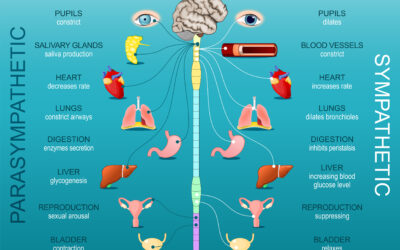
The Autonomic Nervous System and Chronic Pain
This blog article will explore the connection between chronic pain and the Autonomic Nervous System, which is a component of the Peripheral Nervous System. To understand how the Autonomic Nervous System affects chronic pain, learning about the Autonomic Nervous System first would be helpful. The Autonomic Nervous System regulates involuntary processes in the body which include heart rate, blood...
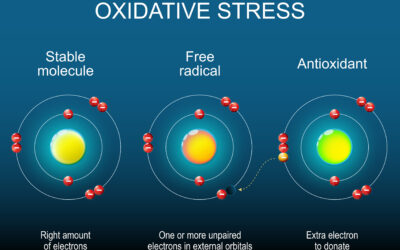
Free Radicals, Oxidative Stress, and Antioxidants
To understand what antioxidants are, and how they protect our cells, we must first explore free radicals, which are unstable atoms or molecules that contain an odd number of electrons in their outermost electron shell. Due to their unpaired electron, free radicals become highly reactive, and when they interact with other molecules within the body, they can cause damage to cells. The reactivity...
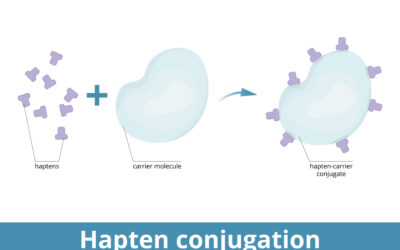
Haptens, Inflammation, and Chronic Pain
Haptens are small molecules that include many toxins. On their own, toxins do not trigger an immune system response, until they have bound to a protein carrier molecule within the body. Then the bound toxins are called haptens. The immune system views the cells with haptens as being abnormal, and creates an inflammatory response that may result in chronic pain and other symptoms. This...
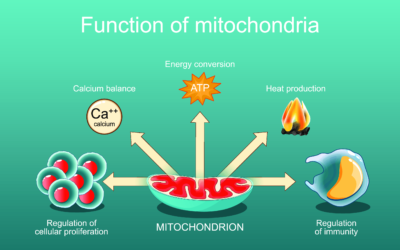
Mitochondrial Health
Mitochondria are microscopic oval shaped organelles found within all human cells, except for red blood cells. Healthy mitochondria are critical for overall health. They produce the energy our cells require, which is known as adenosine triphosphate (ATP), thereby earning mitochondria the nickname the “power houses” of the cells. Each cell can contain hundreds, and even thousands of mitochondria...

Reducing Toxins in Foods
The toxin reduction decisions you choose to make can lead to the reduction of chronic inflammation and chronic pain over time. Eating organic whole foods is ideal because processed and highly processed foods may contain higher levels of inflammatory toxins, in addition to added sugars, added starches, and refined carbohydrates. Avoiding or minimizing processed and highly processed foods in your...

Sugars and Names of Hidden Sugars
Elimination of added sugars, added starches, and refined carbohydrates from your diet will be one of the most impactful health changes you can choose to make on your chronic pain reduction journey. Consuming these substances can create an inflammatory effect within the body, and amplify chronic pain. Gut microbiome dysbiosis is a term that means that the microorganisms that live inside of the...

Reducing Toxins in Water
Improving the quality of your drinking water by reducing toxins is an essential strategy when inflammation and chronic pain reduction are your goals. Although municipal water treatment facilities treat water to remove many potential harms to health such as bacteria, parasites, protozoa, and viruses, they do not remove heavy metals or chemicals such as pesticides, herbicides, fungicides,...
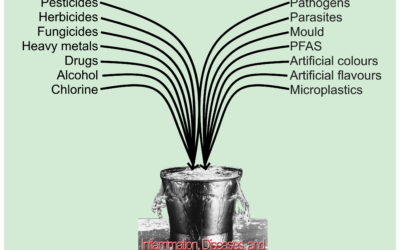
Why is reducing toxins important?
Currently, our bodies may be exposed to more than 300,000 toxins daily, with some environmental experts estimating that our bodies are bombarded by up to 700,000 different toxins on a daily basis. When toxins accumulate within the body, they can bind with carrier proteins, and trigger inflammation which can amplify chronic pain, in addition to causing potential epigenetic changes which alter the...
"Ray of Hope Chronic Pain Recovery Support was created following my own recovery from debilitating chronic pain."
Bonnie J Miller BScN, Program Director
"My quality of life has improved dramatically, and joy has returned."
Although I no longer practice as a Registered Nurse, I continue to help people by providing nutrition, health, and lifestyle education. Having recovered from unrelenting chronic pain from multiple medical conditions, I am positioned uniquely to support people who are suffering from chronic pain, and provide them with encouragement and hope that better tomorrows are possible.